What 'Baby-Friendly' Actually Means: The Hotel Checklist Every Parent Needs Before Booking
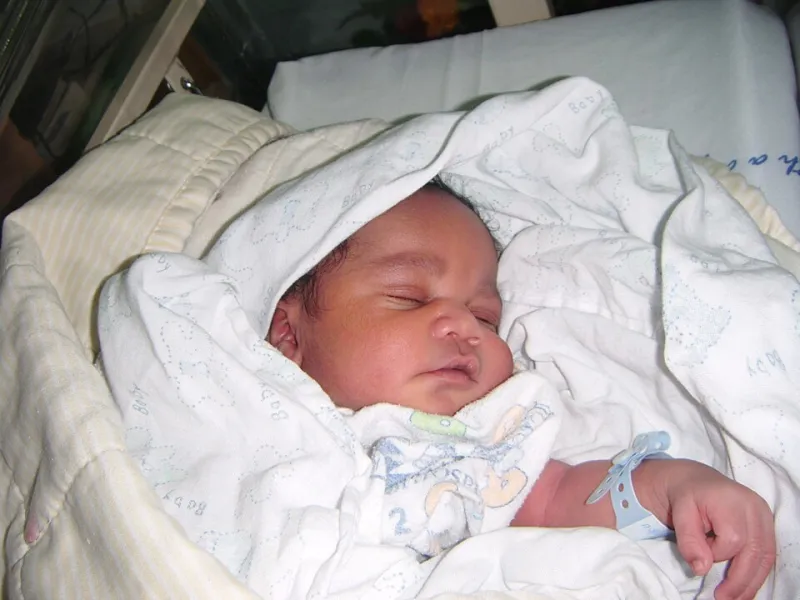
Photo: Realt0n12, CC BY-SA 4.0, via Wikimedia Commons
Every hotel website seems to promise a warm welcome for families. You'll see stock photos of smiling toddlers in robes, cheerful mentions of cribs "available upon request," and the occasional kids' pool. But if you've ever shown up with a six-month-old only to discover the promised crib is a rusty playpen from 2003, you know the gap between hotel marketing and hotel reality can be... significant.
So what should a genuinely baby-friendly hotel actually offer? We broke it down into two tiers: the non-negotiables (things that should be standard, full stop) and the nice-to-haves (bonuses worth hunting for when your budget allows). Use this as your pre-booking checklist and feel free to get specific when you call the front desk.
The Non-Negotiables: Don't Book Without These
A safe, certified sleep space
This is the big one. Any hotel calling itself baby-friendly must provide a crib or portable crib that meets current U.S. Consumer Product Safety Commission (CPSC) standards. That means no drop-side rails, no cracked slats, no bare mattresses that sag in the middle. When you call to confirm your reservation, ask specifically: "What brand is your crib, and when was it last inspected?" A hotel that can't answer that question is a red flag.
Bonus points if the crib is already set up in the room when you arrive — not stored in a closet waiting for you to assemble it at midnight.
A refrigerator in the room
Breast milk storage, formula, baby food pouches, pediatric medications — all of these require refrigeration. A mini-fridge is not a luxury for traveling parents; it's a basic necessity. If a hotel lists itself as baby-friendly but doesn't include in-room refrigeration, that's worth a direct conversation before you commit.
Blackout curtains or shades
Babies are notoriously bad at sleeping through a 6 a.m. sunrise, especially when they're in an unfamiliar place. Blackout curtains don't just help babies sleep — they help everyone sleep. Ask the hotel specifically whether their window treatments block light fully, because "curtains" can mean anything from heavy drapes to a gauzy panel that does basically nothing.
Baby-proofing on request
Outlet covers, cabinet latches, corner guards — hotels don't need to have these installed permanently, but they should have them available. A hotel that's serious about welcoming families will have a baby-proofing kit you can request at check-in. If they look at you blankly when you ask, manage your expectations accordingly.
A bathtub (or at minimum, a tub-style basin)
Bathing a baby in a walk-in shower is a logistical nightmare. Before booking, confirm the room has a bathtub. Some boutique hotels and modern urban properties have gone fully shower-only, which works great for adults and terribly for infants. Always ask.
The Nice-to-Haves: Worth Seeking Out
On-site or partnered childcare services
This is the gold standard for baby-friendly hotels, and it's still relatively rare in the U.S. outside of resort properties. In-house babysitting or a vetted childcare referral service means you can actually have a dinner that lasts longer than 20 minutes. If a hotel offers this, ask about vetting procedures, hourly rates, and whether caregivers are CPR certified.
A dedicated family suite or connecting room option
Sharing a single hotel room with a baby is... fine. But having a separate sleeping area — even just a small adjoining room — changes the entire trip. Look for hotels that offer true connecting rooms (doors between rooms, not just adjacent) or suites with a defined sleeping nook.
Laundry access
Babies go through clothes at an alarming rate. In-room laundry or easy access to a guest laundry facility is a practical game-changer on trips longer than two or three nights. Some high-end family resorts even offer complimentary laundry service — absolutely worth asking about.
A stroller-friendly layout
This sounds obvious, but it's often overlooked. Wide hallways, step-free entrances, elevator access to all floors, and easy drop-off/pickup at the front door make a huge difference when you're navigating a bulky stroller. Check reviews from other parents specifically about mobility and layout.
Baby gear rental or lending programs
A small but growing number of hotels now partner with companies like BabyQuip or maintain their own inventory of gear — high chairs, bouncers, baby monitors, sound machines — that guests can borrow or rent. If you can skip packing the bouncer, that's a win. Always ask what's available before you start stuffing your luggage.
Questions to Ask Before You Book
Don't rely solely on the hotel website. When you call or email, try these:
- "Can you confirm your crib meets current CPSC safety standards?"
- "Does our room have a full bathtub?"
- "Do you have a mini-fridge, or can one be added to the room?"
- "Are blackout curtains available?"
- "Do you offer any baby-proofing supplies on request?"
- "Do you have childcare services or a babysitting referral program?"
A hotel that answers these questions confidently and specifically is one that's thought seriously about what families actually need. Vague answers, long pauses, or "I'll have to check on that" responses tell you something too.
A Word on Hotel Claims
The phrase "family-friendly" has no industry-standard definition. It can mean there's a pool, a kids' menu, or simply that children are allowed on the premises. When you see it, treat it as a starting point for your own research — not a guarantee.
Reading reviews from parents with babies (not just families with older kids) is one of the most reliable ways to reality-check a hotel's claims. Sites like TripAdvisor let you filter reviews, and travel forums like Reddit's r/travel or dedicated parenting travel communities often have candid, specific feedback that hotel descriptions never will.
The good news? Truly baby-friendly hotels do exist, and they're worth finding. A little due diligence before you book goes a long way toward making your little stay feel like a real vacation — not just a logistical endurance event.