Pet Policies, Adjacent Rooms, and Your Baby's Sleep: The Hotel Fine Print Nobody Warns You About
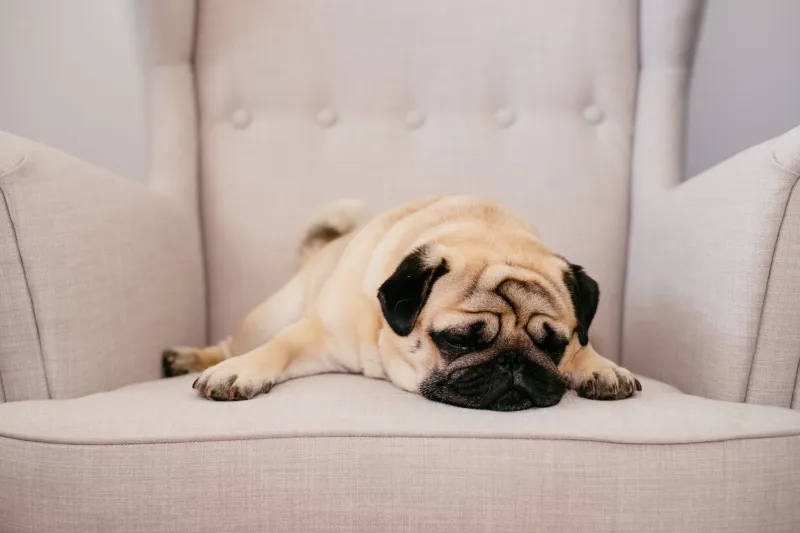
You did everything right. You filtered for baby-friendly amenities, checked that the hotel offered cribs, confirmed the room had blackout curtains, and even called ahead to request a quiet floor. Then you check in, get settled, put the baby down — and at 11 p.m., the dog next door starts barking.
Welcome to one of the most overlooked friction points in family travel: the collision between pet-friendly hotel policies and infant-friendly stays.
This isn't about being anti-pet. Plenty of parents are dog lovers themselves. The issue is transparency — or the consistent lack of it — around how hotels manage the physical proximity of animals to families with babies. And once you understand how these policies actually work (or don't), you'll never book a hotel room without asking a very specific set of questions first.
Why Pet-Friendly and Baby-Friendly Often End Up Side by Side
Here's the structural problem: most hotels that accept pets don't designate entire floors or wings as pet zones. Instead, they assign pet-friendly rooms based on availability, proximity to exterior exits (for dog walks), and which rooms have been treated with pet-appropriate cleaning protocols. That logic makes operational sense for the hotel. For a family traveling with an infant, it can be a nightmare.
Emotional support animals (ESAs) add another layer of complexity. Under the Fair Housing Act and various airline and hospitality interpretations, hotels often accommodate ESAs even when their standard pet policy is restrictive. Unlike service animals, ESAs don't have to meet specific training requirements — which means a hotel that markets itself as "pet-free" may still have animals on-site under ESA accommodations. And those accommodations are rarely disclosed on booking platforms.
The result? You might book at a property that appears pet-free, only to find yourself sharing a wall with a cat or a large breed dog whose owner has a legitimate ESA letter.
The Real Risks for Babies (Beyond Lost Sleep)
Noise is the obvious concern, but it's not the only one. Parents of infants — especially those with family histories of allergies or asthma — should also think about allergen transfer.
Pet dander is notoriously persistent. It clings to carpets, upholstery, HVAC filters, and soft surfaces long after an animal has left a room. A hotel room that was occupied by a dog last week may still carry enough allergen load to trigger a reaction in a sensitive infant. Hotels clean rooms between guests, but standard housekeeping protocols aren't designed to eliminate pet allergens — that requires specialized treatments that most properties don't apply between every stay.
For babies who are too young to communicate discomfort, increased fussiness, congestion, or disrupted sleep might be the only signal something is wrong. And parents often chalk those symptoms up to travel adjustment rather than environmental exposure.
What Booking Sites Don't Tell You
If you've ever searched for hotels on a major booking platform, you've probably noticed the "pet-friendly" filter. What you won't find is a "pet-adjacent room" warning or any disclosure about ESA policies. Booking sites aggregate property-level data — they don't map out which specific rooms are designated for animals or flag which floors tend to house pet owners.
Even hotel websites themselves are often vague. A property might note that pets are welcome with a nightly fee, but there's rarely a map of pet-designated areas or a clear explanation of how rooms are assigned when both pet owners and families with infants are staying simultaneously.
This gap in transparency isn't unique to budget properties either. Mid-range and upscale hotels are just as likely to have overlapping policies, and the more popular a hotel is with pet owners, the greater the odds that animals will be distributed throughout the property on any given night.
How to Protect Your Stay Before You Book
The good news: a few targeted questions during the booking process can dramatically reduce your risk. Here's what actually works.
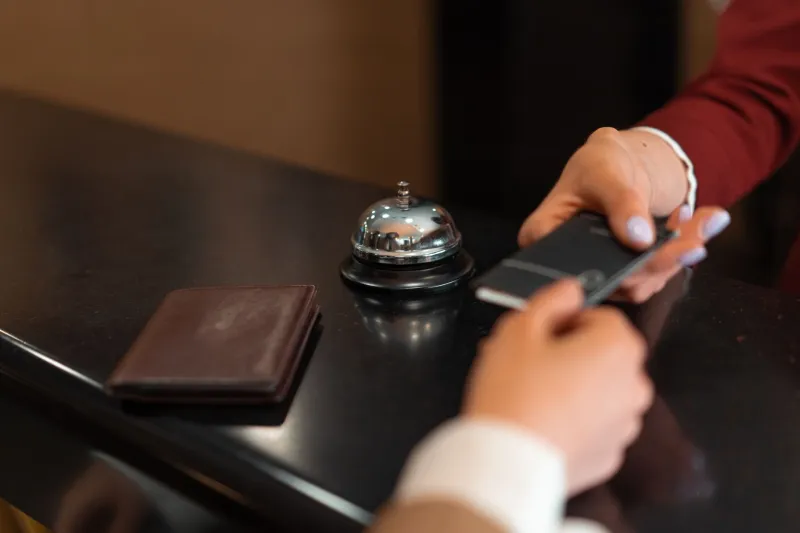
Call the hotel directly and ask specifically about pet room assignment. Don't just ask whether the hotel is pet-friendly — ask how they assign pet rooms and whether families with infants can be guaranteed placement away from those areas. A good front desk agent will be honest with you. If they can't answer the question or seem unfamiliar with the policy, that's useful information too.
Ask about ESA accommodations explicitly. It feels like an unusual question, but it's a fair one. Ask whether the property accommodates emotional support animals and, if so, whether those guests are placed in specific areas of the hotel. You're not asking them to violate anyone's privacy — you're asking about general policy structure.
Request a high floor, interior-facing room, away from exterior exits. Since pet rooms are often assigned near ground-floor exterior doors (for easy dog walks), requesting an upper floor interior room naturally reduces your exposure. Frame it as a noise preference — you don't need to over-explain.
Check recent guest reviews for mentions of pets or allergens. Platforms like TripAdvisor and Google Reviews often surface complaints that official listings never would. Search the reviews for terms like "dog," "barking," "pet smell," or "allergies" to get a real-world sense of how the property handles animal guests.
If You Discover the Problem After Check-In
Sometimes you don't find out until you're already unpacked. If you realize there's an animal nearby and it's affecting your baby — whether through noise, smell, or visible allergen concerns — here's how to handle it without losing your cool.
Go to the front desk immediately and explain the situation calmly. You don't need to frame it as a complaint about the other guest. Simply explain that you have an infant and are concerned about allergen exposure or noise, and ask whether a room change is possible. Most hotels will try to accommodate you if rooms are available.
Document everything. If you're dealing with a situation that significantly disrupts your stay, take notes on timing and impact. This gives you a reasonable basis for requesting a partial refund or points compensation, especially if you can show the issue wasn't disclosed during booking.
If a room change isn't available, ask for a fan or white noise machine. Many hotels have these on hand. It won't solve an allergen issue, but it can help buffer sound enough to keep a light-sleeping baby from waking every time the neighbor's dog shifts positions.
The Bottom Line for Baby-Traveling Families
Hotel pet policies aren't going away — and they probably shouldn't. But the current system puts the entire burden of discovery on parents who are already managing a hundred other logistics. Until booking platforms build better disclosure tools, the most effective protection is asking direct questions before you confirm a reservation.
A little extra homework at the booking stage can be the difference between a trip where your baby actually sleeps and one where you're pacing the hallway at 2 a.m. wishing you'd thought to ask. At Little Stays, we'd always rather give you the uncomfortable truth upfront than let you find it out the hard way.