The 2 A.M. Bottle Test: Sizing Up a Hotel Room's Feeding Setup Before You Commit
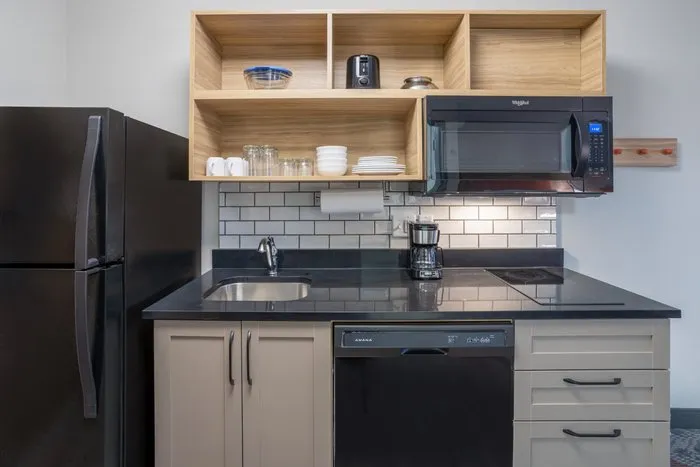
Photo: hotel suite kitchenette with microwave and refrigerator, via dynamic-media-cdn.tripadvisor.com
Every parent who has traveled with a baby knows the scene: it's 2 a.m., the baby is hungry, and you're standing in a dim hotel room trying to warm a bottle using — what, exactly? If you booked well, the answer is a microwave ten feet away. If you booked poorly, it's a wet bar sink, lukewarm tap water, and a prayer.
The feeding setup is one of the most under-examined details in family hotel booking, and it shouldn't be. Whether you're formula feeding, pumping, or storing breast milk, the room's kitchen capabilities determine how your entire trip feels. Here's how to evaluate them like a pro.
Wet Bar vs. Kitchenette: Know the Difference
Hotel listing photos are masterful at blurring this line. A wet bar is a sink, maybe a small under-counter fridge, and counter space. No microwave, no stovetop, often no real refrigerator capacity. It's fine for rinsing bottles. It is not fine if you need to heat anything.
A true kitchenette adds a microwave or two-burner cooktop, a full-size or at least medium fridge, and usually a toaster. A full kitchen — common in extended-stay properties — includes an oven, full fridge, dishwasher, and enough counter space to actually work.
For a weekend trip with an infant, a kitchenette usually covers you. For a week-long stay, or if you're pumping and freezing milk, push toward a full kitchen. The difference in cost is often $20–40 a night, which is cheap compared to room service oatmeal at $14 a bowl.
What the Major US Chains Actually Give You
A quick field guide based on what you'll typically find across their US portfolios:
- Extended-stay brands ( Residence Inn, Homewood Suites, Staybridge Suites, TownePlace Suites ): The gold standard. Full kitchens with full-size fridges, dishwashers, and stovetops are standard in nearly every room. If feeding logistics are your top priority, start here.
- Embassy Suites: Every room is a two-room suite with a wet bar — sink and mini-fridge, usually a microwave. The separate living room is a bonus for keeping the baby's sleep space away from yours.
- Hyatt Place / Hyatt House: Hyatt House rooms often include kitchenettes with cooktops; Hyatt Place leans toward wet bars with fridges, though many locations will deliver a microwave to your room on request.
- Hilton / Marriott / Hyatt standard rooms: Usually a mini-fridge at best, microwaves often down the hall or available on request. Always call the specific property — this varies wildly by location.
- Kimpton: Notably baby-welcoming and will often supply a mini-fridge upgrade or microwave on request, but verify the room size first.
The pattern: if a brand's whole identity is 'suite' or 'extended stay,' kitchen gear comes standard. If it's a business or boutique brand, you're asking nicely.
Five Questions to Ask Before You Book
- 'How big is the refrigerator, literally?' 'Mini-fridge' can mean a dorm unit that barely fits four bottles and a leftover container. Ask for the size or whether a full-size fridge is available.
- 'Is there a microwave in the room, or on the floor?' Hallway microwaves at 2 a.m. with a screaming baby are a special circle of travel purgatory.
- 'Can you bring a microwave to the room?' Many properties will. Some charge a small fee. Get it confirmed in your reservation notes.
- 'Is the lobby market or breakfast area accessible 24 hours?' Useful for hot water and late-night supplies.
- 'Do you have a kettle or hot water on request?' For formula, a travel kettle is a backup, but having one provided is one less thing in your bag.
Pro Moves That Make Any Room Work
- Book a suite layout when possible. A separate living area means you can warm bottles and move around without tiptoeing around a sleeping baby in a dark room.
- Bring a portable bottle warmer that works on a outlet — it turns any room into a functional feeding station and removes the microwave variable entirely.
- Request a mini-fridge swap. If the room's fridge is tiny, some hotels will replace it with a larger unit from another room.
- Pack a dish soap travel bottle and a small drying rack. Even a wet bar becomes workable with the right kit.
The Bottom Line
Feeding a baby on the road is a supply chain problem, and the hotel room is your warehouse. Spend ten minutes verifying the kitchen situation before booking and you'll save yourself a hundred small frustrations — starting with the one at 2 a.m. that nobody wants to be googling in the dark.