Silence Is Golden: A Parent's Field Guide to Booking Hotels Where Your Baby Will Actually Sleep

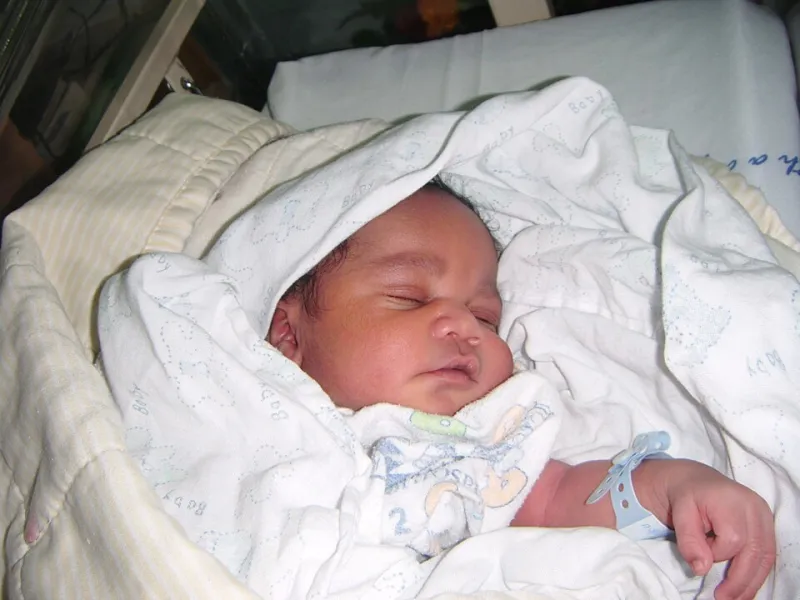
Photo: Nikhil More, CC BY-SA 4.0, via Wikimedia Commons
You've packed the white noise machine. You've got the blackout curtains folded into a zip-lock bag. You've mentally rehearsed the nap routine three times. And then you check into your hotel room directly above the lobby bar.
Welcome to one of the most common — and most preventable — disasters in family travel.
Noise is the silent enemy of baby sleep on the road, and most hotel booking platforms don't give it a second thought. But here at Little Stays, we think it deserves a full investigation. Because the difference between a baby who naps on schedule and a baby who doesn't isn't just about comfort — it affects your entire trip, your stress levels, and yes, your own sleep too.
Let's dig into what actually determines hotel noise levels, and how you can stack the odds in your favor before you ever hand over a credit card.
Why Hotel Noise Hits Babies Harder Than Adults
Infants and young toddlers are neurologically primed to react to sudden, unpredictable sounds. Unlike adults, who can filter ambient noise during light sleep stages, babies cycle through sleep phases more frequently and are far more likely to be jolted awake by a slamming door or a housekeeping cart rattling down the hallway.
The problem isn't just volume — it's unpredictability. A consistent low hum (like an HVAC unit) is far less disruptive than intermittent bursts of noise, even if the latter is technically quieter. This is exactly why that white noise machine works: it creates a consistent audio blanket that masks the random spikes.
But portable sound machines can only do so much. If your room is adjacent to the elevator shaft or sandwiched between two connecting rooms booked by college friends on a reunion trip, no amount of pink noise is going to save you.
The Room Location Variables That Actually Matter
Where your room sits within a hotel is one of the most underrated factors in family travel planning. Here's what to think about:
Floor level matters — but not how you'd expect. Middle floors (think floors 4 through 7 in a 12-story property) often catch the most noise. You're close enough to hear lobby-level activity traveling up through stairwells and elevators, but you're also picking up foot traffic from guests heading to higher floors. The very top floor, counterintuitively, tends to be quietest — less through-traffic, no neighbors above you.
Corner rooms are your best friend. A corner room shares fewer walls with neighboring guests. That alone dramatically reduces the chance of hearing a TV, a conversation, or a baby of someone else's who's also not sleeping.
Stay away from the ice machine corridor. It sounds obvious, but it's shockingly easy to overlook until 11 PM when you hear that mechanical clunk every four minutes. Always ask specifically whether your room is near the ice machine, vending area, laundry room, or service elevator.
Pool adjacency is a trap. Indoor pool areas echo intensely, and that sound travels through ventilation systems and shared walls in ways that are hard to predict. If the hotel has an indoor pool, ask which wing it's in and book accordingly.
Questions Worth Asking the Hotel Directly
Most parents don't realize how much a quick phone call to the front desk can reveal. Here are specific questions that will tell you a lot:
-
"Do you have designated quiet floors or quiet zones?" Some larger hotels — particularly Marriott-branded properties and several Hyatt locations — maintain specific floors with enforced quiet hours, often marketed toward business travelers but equally useful for families.
-
"What is the construction type for the walls between guest rooms?" Concrete block construction significantly outperforms standard drywall framing for sound isolation. Newer budget hotels, in particular, often use the latter to cut costs.
-
"When was the property last renovated?" Older hotels that have been recently updated sometimes have better soundproofing than new builds, because renovation projects increasingly include acoustic upgrades between walls.
-
"Is there a noise policy in effect, and what are your quiet hours?" A hotel that can't answer this clearly, or that gives you a vague "we ask guests to be respectful," is not the same as one with an enforced 10 PM quiet hour backed by staff patrols.
Hotel Chains With a Stronger Track Record for Quiet
No chain is perfect, and individual properties vary wildly even within the same brand. That said, there are patterns worth knowing.
Kimpton Hotels (part of IHG) consistently earn high marks from parent travelers for thoughtful room design, including better-than-average wall insulation and staff that takes noise complaints seriously. Their boutique format also means fewer floors of guests above and below you.
Embassy Suites by Hilton properties, while not always the quietest in terms of atrium design (those open atriums can funnel sound), offer suite layouts that put genuine walls between your sleeping area and the main living space — a huge win when you need to watch TV while the baby sleeps.
Residence Inn and Homewood Suites (both Marriott brands) cater heavily to long-stay guests and families, which translates to a quieter, more settled guest population overall. Less late-night turnover, fewer party bookings.
For luxury travelers, Four Seasons and Ritz-Carlton properties are generally excellent for soundproofing simply because premium construction standards are baked into their brand DNA.
The White Noise Backup Plan (And Its Limits)
Even with the best room selection, you should still travel with a portable white noise machine. The LectroFan Mini and the Hatch Rest Go are both compact enough to fit in a diaper bag and powerful enough to cover most moderate noise situations.
But here's the honest truth: a white noise machine is a mitigation tool, not a solution. If the room itself is poorly isolated, you're fighting an uphill battle. Think of it like sunscreen — it helps, but you wouldn't skip the shade entirely.
One More Thing Before You Book
When you're reading hotel reviews, search specifically for the words "noise" and "loud" in the review text. Most booking platforms let you filter or search within reviews. You're not looking for one complaint — you're looking for a pattern. Three or more guests mentioning noise issues in the same area of the hotel is a signal worth taking seriously.
Your baby's sleep on the road is too important to leave to chance. A little pre-booking detective work takes maybe 20 extra minutes — and it could be the difference between a trip you remember fondly and one you spend recovering from.