Hallways, Elevators, and 6 P.M. Chaos: Why the Spaces Between Your Hotel Room Matter More Than You Think
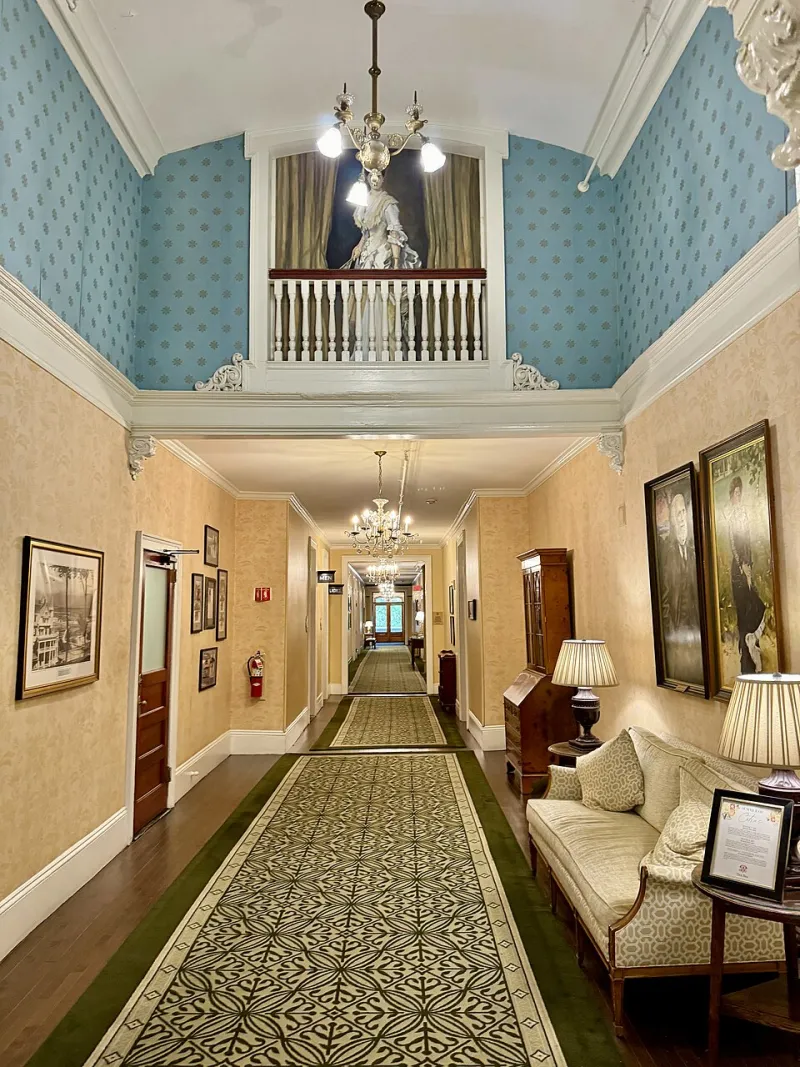
Photo: w_lemay, CC BY-SA 2.0, via Wikimedia Commons
You've done the research. You know the crib is a real crib, not a playpen with a fancy name. You've confirmed the mini-fridge can hold breast milk. But here's the thing nobody puts on the booking page: your baby will spend a surprising chunk of your hotel stay outside the room.
Think about it. The 3 a.m. pacing lap. The stroller shuffle through the lobby. The elevator wait while your baby has decided, loudly, that the wait itself is the problem. The breakfast area at 7:15 a.m. because your infant's internal clock doesn't care about brunch hours.
The spaces between your room can make or break the trip. Here's how to read them like a pro.
The Lobby Test: What You See When You Walk In
A lobby tells you almost everything about how a property treats families — you just have to know what to look for.
Good signs: Wide, step-free entrances (stroller-friendly, obviously), automatic doors, and staff who don't flinch when you roll in with a car seat. A lobby with some open floor space means you can park a stroller without blocking traffic. Bonus points for a quiet corner with seating — that's your emergency nursing station, your bottle-warming pit stop, your "we just need five minutes" zone.
Red flags: A single heavy glass door, a valet-only entrance, or a lobby designed as a moody cocktail lounge with dim lighting and zero seating that isn't a low velvet ottoman. Beautiful? Sure. Functional with a baby? Not even slightly.
Elevators: The Small Detail That Becomes a Big Deal
You will ride that elevator more times than you think. A baby who needs a stroller, a diaper bag, and a parent means every trip out the door is a two-person logistics operation — unless the elevator cooperates.
When you call the hotel to ask about cribs (always call), add these questions:
- Is there a service or secondary elevator we can use with a stroller?
- Are elevators located near the main entrance, or down a corridor and around a corner?
- Is there a ramp or side door if the main entrance has steps?
An elevator that takes forever or requires a detour through a conference wing isn't a dealbreaker. But when your baby is melting down at checkout, you'll feel the difference.
The 3 A.M. Walk: Where Are You Actually Going to Pace?
Every parent of an infant knows the midnight hallway walk. In a hotel, your pacing options are limited to whatever the property offers — so scope them out.
The best candidates:
- Long, quiet hallways with carpeting (softer on footsteps, absorbs sound). Request a room on a low-traffic floor away from elevators and ice machines.
- Enclosed corridors over exterior walkways. Motel-style outdoor corridors mean a 3 a.m. walk is a 3 a.m. walk in the rain.
- Atriums, garden patios, or connected indoor malls. Some hotels — especially larger convention properties and resorts — have genuinely pleasant indoor wandering space. This is an underrated luxury.
One caveat: hallways with thin walls work both ways. Your pacing baby is someone else's 3 a.m. noise problem, which is another argument for ground-floor rooms or properties with quieter construction.
Breakfast Areas: Timing Is Everything
The complimentary breakfast is a family-travel workhorse — until you realize it opens at 6:30 and closes at 9:00, and your baby wakes at 7:40 and needs forty minutes of runway before anyone leaves the room.
Ask about breakfast hours and layout. A buffet spread across a crowded room with one narrow traffic pattern is rough with a baby on your hip. Tables spaced generously, a station where you can grab food quickly, and high chairs on request (call ahead — see our guide on what "available" actually means) turn breakfast from an obstacle course into a win.
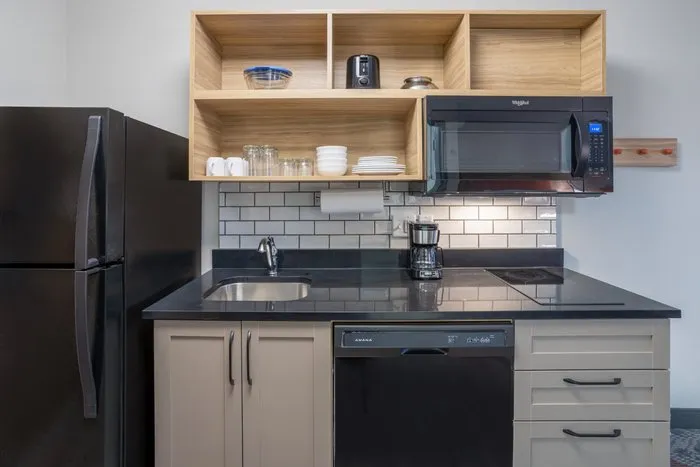
If breakfast hours are tight, check whether the room has a microwave and whether the front desk can warm a bottle in a pinch. That's your escape hatch.
Reading Between the Listing Photos
You can learn a lot about common areas before you ever book:
- Study the lobby photos. Look for seating clusters, open floor space, and natural light. A dark, bar-centric lobby signals a property built for business travelers or couples.
- Check the property type. Extended-stay chains and suburban resorts tend to have family-friendly bones. Boutique urban properties often don't — not because they're hostile, but because they were never designed for strollers.
- Read recent reviews from parents. Search reviews for words like "stroller," "toddler," and "noise." Parents leave breadcrumbs for each other.
- Look at a map. A hotel connected to an indoor walkway, near a park, or across from a coffee shop gives you backup pacing and recovery zones.
The Bottom Line
The room matters. But the room is one box on a map of spaces your family will actually inhabit. A gorgeous room at the top of a step-heavy, elevator-starved, exterior-corridor property is a beautiful trap. A modest room in a hotel with wide doors, a quiet corner, an elevator that shows up when called, and a breakfast that accommodates a baby's schedule? That's the one you book again.
Look past the room. The spaces in between are where your trip actually happens.