Suite Life or Suite Regret? The Honest Math on Upgrading Your Hotel Room for Baby Travel
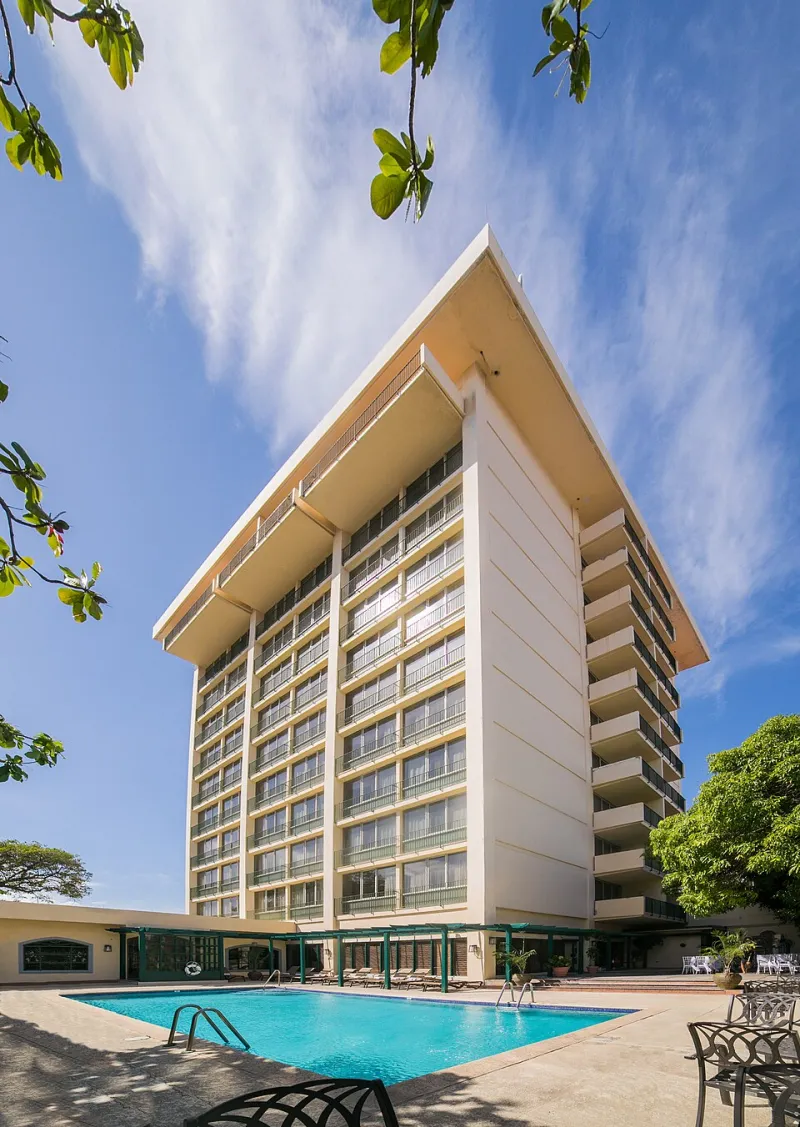
Photo: Courtknuts85, CC BY-SA 4.0, via Wikimedia Commons
Somewhere around your second night in a 300-square-foot hotel room, listening to a white noise app on your phone while sitting in the bathroom in the dark, you will have the thought: we should have booked a suite.
But is that true? Or is the suite the travel industry's most persuasive upsell — an expensive fix for a problem that cheaper solutions might solve just as well?
Let's do the math.
What You're Actually Paying For
Suites in the US typically run 40–80% more than a standard room at the same property. On a $180/night standard room, that's $250–$325 per night. Over a five-night trip, the upgrade costs $350–$725 extra.
What do you get for it? Usually: a separate living area with a sofa (which frequently converts to a bed or at least a place to sit after the baby sleeps), sometimes a kitchenette, sometimes two TVs, and — the real prize — doors. A door between where the baby sleeps and where the adults exist is worth more than any amenity on the list.
The Case For: Why Suites Often Win With Babies
1. The nap-time lockdown disappears. In a standard room, your baby's nap means lights off, TV off, whispers only, for ninety minutes, twice a day. In a suite, one adult reads with the lights on in the other room. This is not a luxury. Over a week, this is sanity.
2. Bedtime becomes livable. Baby asleep at 7:30 in the bedroom; parents eating takeout and watching TV in the living room like actual humans. In a standard room, you're both in bed by 8 p.m. staring at your phones.
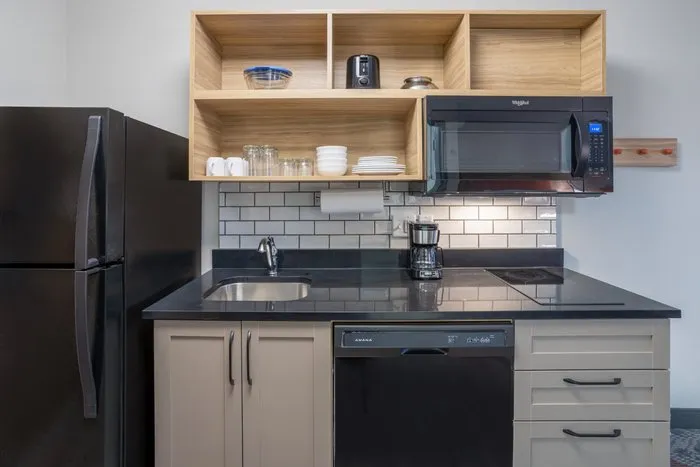
3. Kitchenettes change the economics. A fridge, microwave, and sink mean formula prep, bottle washing, and simple meals without a hallway trek. Compare that against a $40/day room service habit or daily grocery-run logistics.
The Case Against: When the Upgrade Isn't Worth It
1. A "suite" isn't always a suite. Many US hotels market a "junior suite" that is a standard room with a sofa bed and a partition wall. No door, no separation, no sleep benefit. Read floor plans, not photos.
2. Connecting rooms can beat suites. Two standard rooms with a connecting door often cost less than one suite and give you more space — plus two bathrooms. Two bathrooms with a baby is a quiet revolution. The catch: connecting rooms are a request, not a guarantee, at many properties. Book where it's confirmed, not hoped for.
3. Short trips don't need it. One night? Suck it up and whisper. The suite premium buys its value over multiple days.
The Decision Framework
Under 6 months old: Baby probably sleeps in a bassinet next to your bed anyway and naps in a carrier. A suite adds little. Save the money — or put it toward a room with a genuinely good blackout setup and a real fridge. Skip the upgrade.
6–18 months: Peak suite territory. This is the mobile, light-sleeper, two-naps-a-day stage where separate sleeping space matters most. Book the suite or confirmed connecting rooms, especially for trips of three nights or more.
18 months+: Toddlers need room to move and earlier bedtimes. A suite or connecting rooms remains valuable, but consider whether a suite hotel, an extended-stay property, or a vacation rental suite-style layout gives the same benefit for less.
Trip length test: One or two nights, skip it. Three to six nights, worth it. A week or more, it's practically mandatory — or switch to an extended-stay property with suite-style layouts at standard-room prices.
The Sneaky Middle Path
Before you pay suite rates, check extended-stay chains (think Residence Inn, Homewood Suites, Element). Their standard rooms often include the kitchenette and separated living space that a traditional hotel charges a premium for. For a family with a baby, these properties are quietly the best value in US travel.
The Verdict
The suite upgrade is neither a scam nor a no-brainer — it's a tool with a narrow window of maximum usefulness. If your baby is in the six-to-eighteen-month sleep-sensitive zone and your trip runs three nights or longer, the upgrade will feel like the best money you ever spent. Outside that window, you're often paying a premium for square footage you won't use.
Book the door, not the square footage. That's the whole game.